How can AI make you a better scientist?
Find promising research leads
Surface connections, patterns, and overlooked work across fields in a way that keyword searches cannot.
Clean a dataset that seems uncleanable
Inconsistent formats, missing fields, hand-edited rows. Describe what it should look like and AI designs a pipeline.
Scaffold a grant proposal
Turn a funding call into an organised outline, with aims mapped to your team and references verified before anyone writes a sentence.
Automate the analysis you keep doing by hand
Describe your workflow once and get a script that adapts every time the data changes.
Learn effectively from AI
Tell it what you know and where you are lost. It explains the gaps at your level of expertise.
Organize your lab
Scattered Google Drives, measurements buried in Slack. New members lost for a week. AI reads the mess and builds a structure that stays organized.
Take the next step
Choose your starting point.
I'm completely new to AI
You have not tried AI yet, or maybe you've asked ChatGPT a question or two but never gone further. Start here!
I've used AI in my browser
You've tried ChatGPT. Maybe the answers were helpful, maybe you're still figuring out how to ask. Either way, you keep losing your history and re-uploading the same documents. We'll fix that here.
I want to go further
You already have Claude Code or similar tools installed. Now you want to know how to get the most out of them: agents, reusable skills, and multi-step workflows.
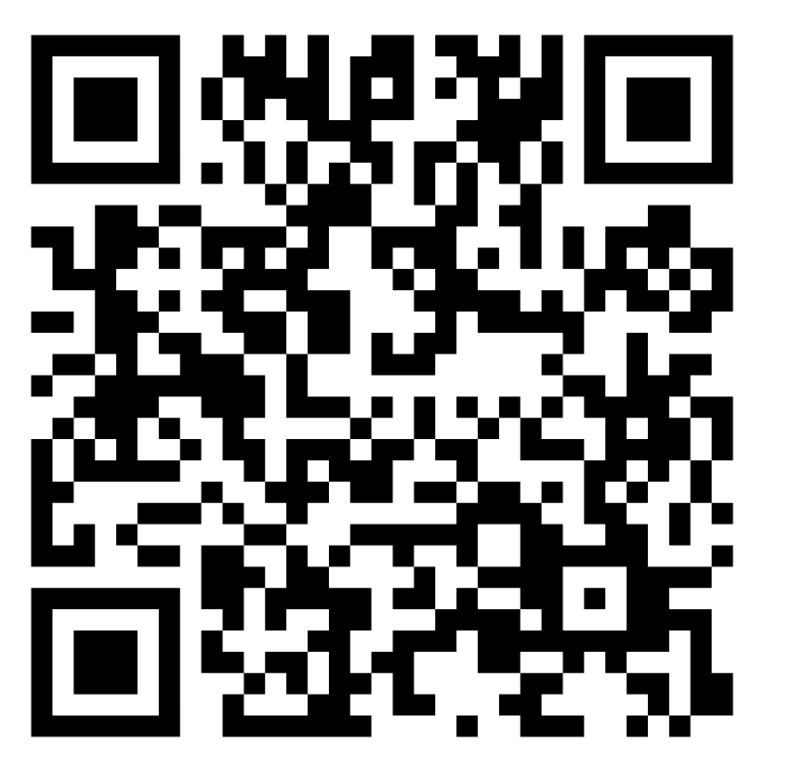 Join the Harvard Agentic Science Slack →